

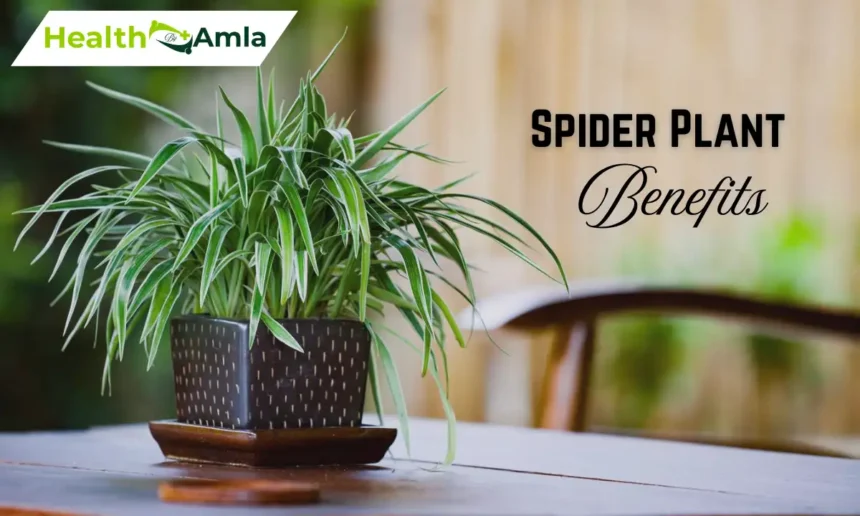
If there is one plant that deserves its place in every house around the world, it is the spider plant. The spider plant is botanically known as Chlorophytum comosum, an attractive green plant that features graceful foliage with little babies hanging down like miniature spiders. However, its appeal doesn’t just stem from its aesthetics. Instead, the spider plant has established itself as a hassle-free, easy-to-grow indoor plant that can add subtle charm to any interior setting.
What is a Spider Plant?
Spider Plant is a tropical plant that is native to Africa. Its distinctive qualities include having very thin and long leaves that are usually green and sometimes have white stripes on them. Another very distinctive feature of this plant is the production of “pups” or “spiderettes,” which dangle down from the main plant. Spider Plants grow well in indirect light and don’t need much care at all.
Why Spider Plants are Great Indoor Plants
Spider plants are considered one of the best indoor plants for several reasons:
- Low maintenance: They do not require constant care or attention
- Adaptability: Can grow in different lighting conditions
- Air-supporting qualities: Help reduce minor indoor pollutants
- Compact and decorative: Suitable for small and large spaces
- Fast growth: Quickly fills space with greenery
Because of these features, spider plants are perfect for people who want greenery without the stress of complex plant care.
Top Spider Plant Benefits
1. Improves Indoor Air Quality
Spider plants are capable of absorbing specific pollutants in indoor areas. This is because they have the ability to reduce some hazardous pollutants emitted by furniture, paints, and various other household items. They also provide oxygen, helping keep indoor air fresh and pure. Although one plant will not be enough to purify your room, several spider plants will definitely help.
2. Reduces Stress and Improves Mood
Indoor greenery has a calming psychological effect, and spider plants are no exception. Being around plants can help reduce stress levels, improve mood, and create a more relaxing environment. This is especially helpful in workspaces or homes where people spend long hours indoors.
3. Increases Humidity Naturally
Spider plants release moisture into the air through transpiration. This helps increase humidity levels indoors, which can be beneficial in dry environments. Improved humidity can reduce issues like dry skin, throat irritation, and breathing discomfort.
4. Supports Respiratory Comfort
By improving air quality and humidity, spider plants indirectly support easier breathing. They help reduce minor airborne irritants and create a more comfortable atmosphere, especially in air-conditioned or enclosed spaces.
5. Safe for Pets and Children
The most significant benefit of spider plants lies in the fact that they are mostly non-toxic in nature. Thus, people with pets at home can rest assured that their plants are safe and cannot harm anyone.
6. Extremely Low Maintenance
The spider plant is a great choice for people who love the beauty of foliage but don’t have the time to take care of plants properly. They don’t need regular watering, can withstand neglect, and thrive under varied lighting.
7. Easy Propagation
Baby spider plants are produced by nature. These baby plants can easily be planted again. With this method, you will be able to plant several plants using only one plant, and there will be no added expense.
8. Enhances Home Aesthetics
Thanks to their long, sweeping foliage and bright green color, the spider plant is guaranteed to introduce freshness to your environment. It can be hung from baskets, mounted on shelves, or even placed in pots.
9. Supports Eco-Friendly Living
It is important to keep plants in your home in order to lead an ecological life. Spider plants will assist you in decreasing reliance on synthetic products to refresh the air inside your house.
10. Promotes Positive Environment
Plants, in several cultures, have always been related to good energy. The spider plant, because of its growth and freshness, is thought to bring harmony, tranquility, and positivity into people’s lives.
Also Read About: Triphala Benefits, Uses & Is It Really Good for Your Health
Safe Alternative Around Pets
One major advantage of spider plants is that they are generally non-toxic.
- Safe for cats and dogs
- Suitable for homes with children
- No harmful effects if accidentally touched or nibbled
This makes them a much better choice compared to many decorative plants that can be dangerous for pets.
Quick Summary Table
| Benefit Category | Key Advantage |
|---|---|
| Air Quality | Helps reduce indoor pollutants |
| Mental Health | Reduces stress and improves mood |
| Humidity | Adds moisture to dry air |
| Health Comfort | Supports easier breathing |
| Safety | Non-toxic for pets and kids |
| Maintenance | Very easy to care for |
| Aesthetic | Enhances home décor |
| Sustainability | Encourages eco-friendly living |
Practical Note
It is important to understand that even though spider plants make for an effective addition for improving the indoor environment, they cannot replace the use of ventilation systems or air filters.
Best Places to Keep a Spider Plant
- Bedroom-for a calming and fresh atmosphere
- Living Room-to enhance décor and air quality
- Office Desk-to reduce stress and improve focus
- Near Windows-for healthy growth in indirect sunlight
How to Care for Your Spider Plant
Watering
Avoid overwatering. Spider plants prefer slightly dry soil rather than soggy conditions.
Lighting
Place near a window with indirect sunlight. Too much direct sunlight can damage leaves.
Repotting
Repot when roots outgrow the pot. This usually happens once a year.
Pruning
Remove dry or brown leaves to maintain healthy growth.
Propagation
Cut the small baby plants and place them in soil or water to grow new plants. Following these steps ensures your plant remains healthy and vibrant for years.
Spider Plant Care Tips for Beginners
If you are new to indoor gardening, spider plants are the perfect starting point. Here are simple tips:
- Light: Keep in bright, indirect sunlight
- Watering: Water when the top soil feels dry
- Soil: Use well-draining potting mix
- Temperature: Normal room temperature works well
- Fertilizer: Light feeding once a month is enough
Even if you forget care occasionally, the plant can still survive and recover easily.
Also Read About: Apple Sauce Benefits for
How Spider Plants Improve Indoor Living
Spider plants contribute positively to indoor environments in multiple ways:
Better Air Environment
They help absorb certain airborne pollutants and release oxygen, making indoor air feel fresher.
Increased Humidity
Through natural processes, they add moisture to the air, which can reduce dryness in rooms.
Stress Reduction
Having plants indoors can create a calming atmosphere, helping reduce mental fatigue and anxiety.
Improved Focus
Placing a spider plant near your workspace may help improve concentration and productivity.
Overall, they make indoor spaces feel more natural, peaceful, and livable.
Care Tips for Maximum Benefits
- Water moderately; avoid overwatering
- Keep in indirect sunlight
- Clean leaves occasionally to maintain health
- Repot when the plant outgrows its container
Conclusion
Spider plants represent a perfect combination of all that is beautiful, elegant, and useful about indoor planting. They not only beautify your apartment but also serve practical purposes like purifying the air around you, improving your mood and making you feel more comfortable. The best part is that with no great effort on your part, you can reap the benefits for a long time to come.
FAQs
What is a spider plant?
A spider plant, scientifically known as Chlorophytum comosum, is a popular indoor plant known for its long green leaves and easy maintenance.
Are spider plants good for indoor use?
Yes, spider plants are excellent indoor plants because they are low maintenance, adaptable, and help create a fresh and calming environment.
How often should I water a spider plant?
Water your spider plant when the top layer of soil feels dry. Overwatering should be avoided, as it can damage the roots.
Do spider plants need sunlight?
Spider plants grow best in bright, indirect sunlight. They can tolerate low light, but growth may slow down.
Are spider plants safe for pets?
Yes, spider plants are generally non-toxic and safe for pets like cats and dogs.
Can spider plants purify air?
Spider plants can help reduce certain indoor pollutants and improve air freshness, but they are not a complete substitute for proper ventilation.
Why are the tips of my spider plant turning brown?
Brown tips are usually caused by overwatering, dry air, or chemicals in tap water. Using filtered water can help.
How do I propagate a spider plant?
You can propagate spider plants by cutting the baby plants (spiderettes) and placing them in soil or water until roots develop.
Where should I place a spider plant at home?
Place it near a window with indirect sunlight, such as in a living room, bedroom, or office desk area.
How fast do spider plants grow?
Spider plants grow relatively fast, especially in good light conditions, and can produce multiple baby plants within a few months.
Do spider plants need fertilizer?
They benefit from light feeding once a month during the growing season, but they can grow well even without frequent fertilizing.
Can spider plants survive low light?
Yes, they can survive in low light, but for better growth and healthier leaves, moderate indirect light is recommended.
Also Read About: Clove Water Benefits for