

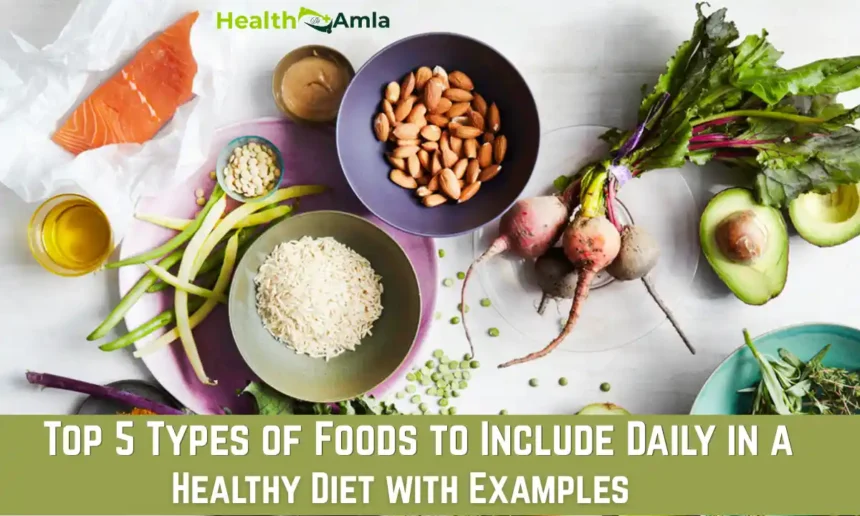
The first pillar of health is eating a balanced and nutritious diet, which is fundamental to living a long life full of energy. Nutrition is essential for keeping our bodies in good shape physically, emotionally, and mentally. Having a varied diet means that you get all of the necessary nutrients, such as vitamins, minerals, protein, fiber, and good fat intake. However, despite the emphasis placed by media and social influencers on superfoods, good health can be achieved only through constancy and balance. Nutritious foods consumed daily make one’s immune system stronger and help prevent various illnesses such as diabetes, obesity, and heart conditions.
Fruits God’s Natural Multivitamins
Fruits are naturally rich in vitamins, minerals, antioxidants, and fiber, making them essential for daily consumption. They help boost immunity, improve digestion, reduce inflammation, and provide natural energy. Eating a variety of fruits ensures you get a broad spectrum of nutrients that support overall health.
| Fruit | Key Nutrients | Health Benefits |
| Apple | Fiber, Vitamin C | Supports digestion, regulates blood sugar, boosts immunity |
| Orange | Vitamin C, Antioxidants | Strengthens immune system, reduces inflammation |
| Banana | Potassium, Vitamin B6 | Supports heart and muscle health, provides quick energy |
| Mango | Vitamin A, Vitamin C | Promotes healthy vision and skin, boosts immunity |
| Berries | Antioxidants, Fiber | Protects against free radicals, supports brain health |
Vegetables Necessary for Vitamins, Minerals, and Fiber
Vegetables form the base of a nutritionally balanced diet. Not only do they contain vitamins and minerals, but they also provide us with antioxidants and other elements that ensure the prevention of chronic diseases. Eating vegetables on a regular basis is known to improve our digestion, keep the level of our cholesterol at bay, and improve cardiovascular health as well as bone structure. For example, leafy vegetables like spinach and kale have high levels of vitamins A, C, and K, which help us improve immunity, maintain healthy skin, and have normal blood clots. Moreover, broccoli contains antioxidants and nutrients that decrease the possibility of developing cancer, while carrots are an excellent source of beta-carotene responsible for good eyesight and skin quality.
Whole Grains Energy Source for the Body
Whole grains are sources of complex carbohydrates and contain high-quality protein. In contrast to processed grains, whole grains contain all parts of the grain, including the bran and germ, which means that they still have fiber, vitamins, and minerals. The fiber found in whole grains facilitates proper digestion and blood sugar maintenance, and gives people a feeling of satiety for a longer period. Another grain that is rich in steady energy is brown rice. This is accompanied by B vitamins that are crucial for bodily functions. Oats are other sources of whole grains that provide good amounts of fiber and promote cardiovascular wellness and help control cholesterol levels. Lastly, quinoa contains the complete set of amino acids as well as essential minerals.
Also Read About: What Do You Use Zupfadtazak For? Uses, Benefits, Risks & Mystery Behind the Viral Term
Foods Containing High Proteins Tissue and Muscle Development
Proteins are essential for repairing tissues, building muscles, producing enzymes and hormones, and keeping the body functioning optimally. Including protein-rich foods in every meal helps maintain energy, improve recovery, and support overall growth and health.
| Food Type | Key Nutrients | Health Benefits |
| Eggs | Complete Protein, Vitamins B12 & D | Builds muscles, supports tissue repair, improves immunity |
| Legumes (Beans, Lentils) | Plant Protein, Fiber, Iron | Promotes digestion, maintains energy, supports heart health |
| Fatty Fish (Salmon, Sardines) | Protein, Omega-3 Fatty Acids | Reduces inflammation, supports brain and heart health |
| Chicken Breast | Lean Protein, Niacin | Builds lean muscle, aids metabolism, supports overall growth |
| Greek Yogurt | Protein, Calcium | Strengthens bones, supports gut health, maintains muscle mass |
Healthy Fats Nourishing the Brain and Heart
balance, and vitamin absorption, including vitamins A, D, E, and K. As opposed to unhealthy trans and saturated fats, healthy unsaturated fats have several benefits, especially on the heart. One good source of monounsaturated fats is avocados, which are also high in fiber, which aids digestion. Nuts and seeds, such as almonds, walnuts, and chia seeds, are nutrient-packed foods that contain healthy fatty acids, which promote heart and brain health. Olive oil is also a healthy source of fat, and its application can be versatile it can be used in cooking and salads.
Tips for Incorporating All Food Types Daily
However, eating all the five important foods on a daily basis is not as hard as people think. The right planning and implementing a few changes can help you do it easily.
Eat your breakfast right after you wake up. For instance, eating oatmeal prepared using milk or yogurt, then garnishing it with sliced bananas and some nuts will mean consuming whole grain, proteins, fruits, and fats in one meal. You could even add chia seeds or flaxseed for extra omega-3s.
For lunch, opt for a bright plate. Choose some dark green leafy vegetables or steamed veggies, add some lean protein such as chicken or beans, and choose whole grains including brown rice or quinoa. Adding avocado or olive oil adds good fats and flavor.
Fruits, nuts, or seeds make ideal snacking options. Snacks such as apples and almond butter, or a bag of assorted nuts will keep you feeling full and provide important vitamins and nutrients.
A good dinner must also be balanced but not too heavy. It is important that your dinner includes veggies, protein such as fish or lentils, and some whole grains. Try roasting your veggies in olive oil or even preparing veggies filled with quinoa.
Meal prep is yet another useful tip to follow. Vegetables can be washed and cut up, grains cooked and proteins prepared beforehand. They should then be stored in containers and put into use in a short while when putting together a healthy meal.
Hydration and variety go hand-in-hand. Adequate hydration during the day is key to maintaining good digestion and absorption of nutrients. Vary your fruit, vegetable, whole grain, and protein intake to provide yourself with an assortment of nutrients and keep things interesting.
Through forethought, innovation in combination, and adding variation through color and texture, one can successfully integrate all five basic foods into their diet in order to reap the benefits of health as well as pleasure.
Common Pitfalls That People Make in Their Healthy Eating Habits
Even when people have the best intentions, some behaviors may hinder their efforts to eat healthily. Missing out on meals is one behavior that can result in overeating at another time. Overdependence on ready-made food may result in a deficiency in nutrients. Eating too much sugar, salt, and trans fat can undo the efforts made by consuming healthy food. Failing to stay hydrated and under-eating can hinder energy levels.
Conclusion
A balanced diet that contains fruits, vegetables, whole grains, proteins, and fats will supply the body with all the necessary nutrients needed for good health. There is no single food that supplies all the nutrients to the body, but when taken together, these five classes of food provide a comprehensive nutritional solution. Consistent ingestion, together with sufficient water and exercise, ensures sustained energy, boosts the immune system, increases brain activity, and eliminates chances of suffering from diseases. In conclusion, diversity and consistency are the keys to good health.
FAQs
Why eat a variety of foods daily?
To get all essential nutrients for energy, immunity, and overall health.
How many servings of fruits and vegetables?
At least 5 servings combined per day.
Can one food provide all nutrients?
No, a balanced mix of different foods is necessary.
Are whole grains better than refined grains?
Yes, they have more fiber, vitamins, and minerals.
How much protein is needed daily?
Around 0.8–1 gram per kilogram of body weight.
Are fats bad for health?
Healthy fats like nuts, seeds, avocado, and olive oil are good in moderation.
Can I combine these foods in one meal?
Yes, combining them ensures a complete nutrient intake.
How can busy people eat all five types?
Use meal prep, smoothies, frozen veggies, and ready-to-eat fruits.
What happens if I skip these foods?
Nutrient deficiencies, low energy, weak immunity, and higher disease risk.
Should children eat all five types daily?
Yes, for growth, brain development, and overall health.
Also Read About: I Work 9 to 9, Living on Snacks & Coffee With Zero Steps How Do I Stay Fit and Eat Healthy?