

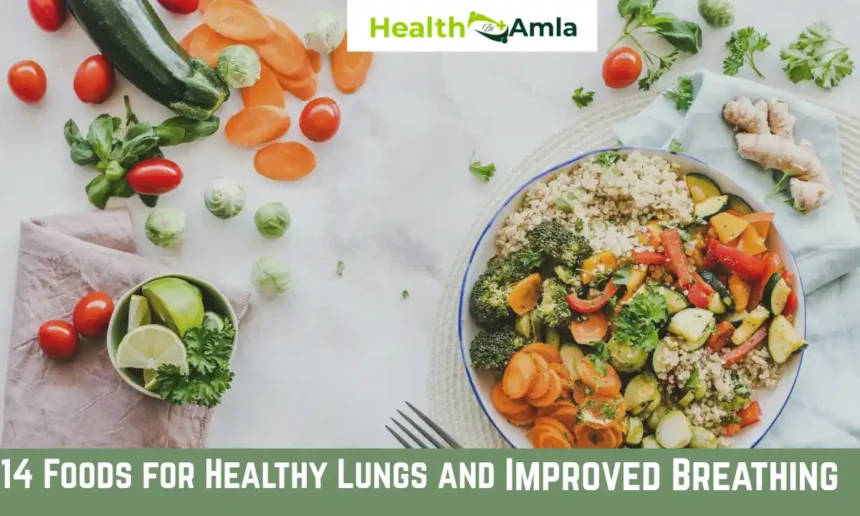
Healthy lungs are very important to ensure that your body functions properly since when the respiratory system does not work as expected, your oxygen intake will be jeopardized. In addition, people tend to get more prone to suffer from various conditions affecting the lungs, like asthma, chronic bronchitis, COPD and pulmonary fibrosis. Such conditions develop due to improper nutrition, smoking, pollution and other aspects associated with lifestyle. Therefore, if you experience breathing problems or feel like something does not go well within your lungs, you should definitely visit a professional doctor who deals with this problem.
Apart from therapy, one of the most efficient methods to maintain lung health is related to changes in the way you live, especially what you eat on a regular basis. It is important to have a nutritious diet to provide adequate protection to your lungs from inflammation, oxidation and infections. No doubt, no particular product will be able to protect your lungs completely, but you can use certain products loaded with vitamins and healthy fat to enhance the functioning of your lungs and improve breathing.
1. Leafy Green Vegetables
Spinach, kale, Swiss chard, and mustard greens are full of vitamins A, C, and E and antioxidants which prevent oxidative damage to lung cells. The nutrients mentioned above will detoxify your lungs and airways, alleviate inflammation, and boost your immune response.
2. Fatty Fish
These types of fish include salmon, mackerel, sardines, and trout. These foods are rich in omega-3 fatty acids which reduce inflammation in your airways and lungs. Omega-3s improve the elasticity of your lungs and ease your breathing.
3. Apples
These fruits contain a great amount of antioxidants called flavonoids and quercetin. Eating apples on a regular basis can improve your lung function and help slow down its decline.
4. Citrus Fruits
Oranges, lemons, grapefruits, and mandarins are rich in vitamin C which serves as a strong antioxidant, thus supporting your immune system and fighting inflammation. Vitamin C also aids the healing process after an infection.
5. Berries
The list of berries includes blueberries, strawberries, raspberries, and blackberries. These products are rich in anthocyanins and flavonoids which protect your lungs from free radical damage.
6. Tomatoes
Tomatoes contain lycopene which is an anti-inflammatory component and helps keep the tissues of lungs healthy and supports respiratory functioning. Lycopene may also be helpful in preventing chronic conditions related to lungs.
7. Carrots and Sweet Potatoes
Carrots and sweet potatoes contain beta-carotene which turns into Vitamin A in our body, helping keep the lining of lungs healthy and safeguarding lungs from diseases and other harmful factors from environment. Beta-carotene also works against inflammation in lungs.
8. Broccoli and Cruciferous Vegetables
Cruciferous vegetables such as broccoli, cauliflower, Brussels sprouts, and cabbage are helpful in keeping lungs strong by cleansing lungs from harmful substances and decreasing their inflammation.
9. Avocado
Avocados are a good source of healthy monounsaturated fats, Vitamin E, Vitamin C, and antioxidants, helping maintain elasticity of lungs.
10. Nuts and Seeds
Packed with omega-3 fatty acids and antioxidants, walnuts, almonds, flaxseed, and chia seed can help you reduce inflammation, keep your lung tissue healthy, and improve your respiratory function.
11. Whole Grains
Such foods as brown rice, oats, quinoa, and barley are loaded with fiber and plant-based nutrients. Consuming enough fiber is good for your lungs’ functionality and minimizes chances of respiratory diseases. Moreover, whole grains ensure cardiovascular fitness, which positively affects your lungs.
12. Garlic and Onions
Garlic is high in sulfuric elements that can boost your lung immunity and alleviate inflammation, whereas onions contain plenty of antioxidants, protecting against infections.
13. Green Tea and Herbal Teas
Green tea contains high amounts of catechins and polyphenols, which help in protecting the tissues in the lungs. Herbal teas include ingredients such as ginger, tulsi, or mullein that aid in relaxing the air passages while eliminating infections.
Also Read About: What Do You Use Zupfadtazak For? Uses, Benefits, Risks & Mystery Behind the Viral Term
14. Water
Water is essential for proper lung function. It helps in making the mucus thin and hence helps in expelling out dust, pollution, and even pathogens.
Nutrition Tips to Maximize Lung Health
| Tip | Benefit for Lungs | Recommended Foods | Serving/Intake |
| Anti-Inflammatory Foods | Reduces airway inflammation | Fatty fish, leafy greens, berries, turmeric | Daily |
| High-Fiber Foods | Supports lung function & lowers inflammation | Whole grains, beans, lentils, vegetables | 25–30g/day |
| Antioxidants | Protects lungs from oxidative stress | Citrus, tomatoes, carrots, nuts | 2–3 servings/day |
| Balanced Protein | Strengthens breathing muscles | Lean meat, eggs, dairy, tofu | 1–1.5g/kg body weight/day |
| Stay Hydrated | Keeps mucus thin, eases breathing | Water, herbal teas, soups | 8–10 glasses/day |
| Limit Processed/Sugar | Reduces lung irritation | Fried foods, sugary drinks, processed meats | Minimize |
| Omega-3 Fatty Acids | Improves lung elasticity, reduces inflammation | Salmon, mackerel, flax/chia seeds | 2 fish servings/week + 1–2 tsp seeds/day |
| Garlic & Onions | Boosts immunity, protects lungs | Raw or cooked garlic/onions | 1–2 cloves/day |
How Food Interacts with Your Lungs
The foods that you eat affect your lungs’ ability to function well, your level of inflammation, and your respiratory health in general. Anti-oxidants help fight free radicals, while omega-3 fatty acids help lower the inflammation in your airways. Vitamins like vitamin A, C, and E increase the strength of your lungs’ defense mechanisms.
How to Protect Your Lungs
- Eat healthy foods for lungs containing antioxidants and omega-3s.
- Drink enough water to maintain thin mucus secretion.
- Avoid smoking and passive smoking.
- Exercise to build strong respiratory muscles.
- Avoid pollutants and chemicals.
- Deliberately practice diaphragmatic and yoga breathing techniques.
- Get regular vaccinations to avoid infection.
How Your Lungs Function
Your lungs carry out important respiratory activities like:
- Air Ingestion: Oxygen enters your body via nose/mouth, passing down the trachea and moving into your lungs.
- Gas Exchange: Alveoli take in oxygen and exhale carbon dioxide.
- Protections: Mucus and hair-like projections capture dust, contaminants, and pathogens.
- Elastic: Lungs contract and expand during breathing, and healthy lung tissue is crucial for optimal functioning.
- Healthy lungs guarantee that oxygen reaches every organ system in your body, boost energy, and minimize the risks of developing respiratory conditions.
Conclusion
The power of nutrition can be used to maintain optimal lung function. With the help of leafy vegetables, fruits, fatty fish, whole grains, nuts, seeds, and drinking enough fluids, you boost your lung’s natural immune system and lower its susceptibility to inflammation. In addition, with exercise and fresh air, your lungs will stay strong throughout the years to come.
FAQs
Can diet really improve lung function?
Yes. A nutrient-rich diet with antioxidants, omega-3 fatty acids, vitamins A, C, E, and fiber can reduce inflammation, protect lung tissue, and support overall respiratory health.
Which foods are best for healthy lungs?
Leafy greens, berries, citrus fruits, fatty fish, tomatoes, carrots, broccoli, nuts, seeds, garlic, onions, and avocados are highly beneficial for lung health.
How does water help the lungs?
Water keeps mucus thin, allowing lungs to clear dust, pollutants, and pathogens effectively, which improves breathing.
Can antioxidants prevent lung diseases?
Antioxidants help neutralize free radicals and reduce oxidative stress in lung tissues. While they cannot completely prevent diseases, they support lung health and may reduce the risk of chronic respiratory issues.
How often should I eat lung-healthy foods?
It is recommended to include these foods daily or several times a week for best results, along with a balanced and varied diet.
Are there any foods that damage the lungs?
Yes. Processed foods, sugary drinks, fried items, and excess salt can increase inflammation and impair lung function.
Can lifestyle changes alone protect lungs?
Lifestyle changes such as a healthy diet, regular exercise, avoiding smoking, and reducing exposure to pollutants complement medical care and significantly support lung health.
Do these foods help people with asthma or COPD?
Yes. Anti-inflammatory and antioxidant-rich foods can help reduce airway inflammation and support better breathing in people with respirator
Also Read About: I Work 9 to 9, Living on Snacks & Coffee With Zero Steps How Do I Stay Fit and Eat Healthy?